

 Español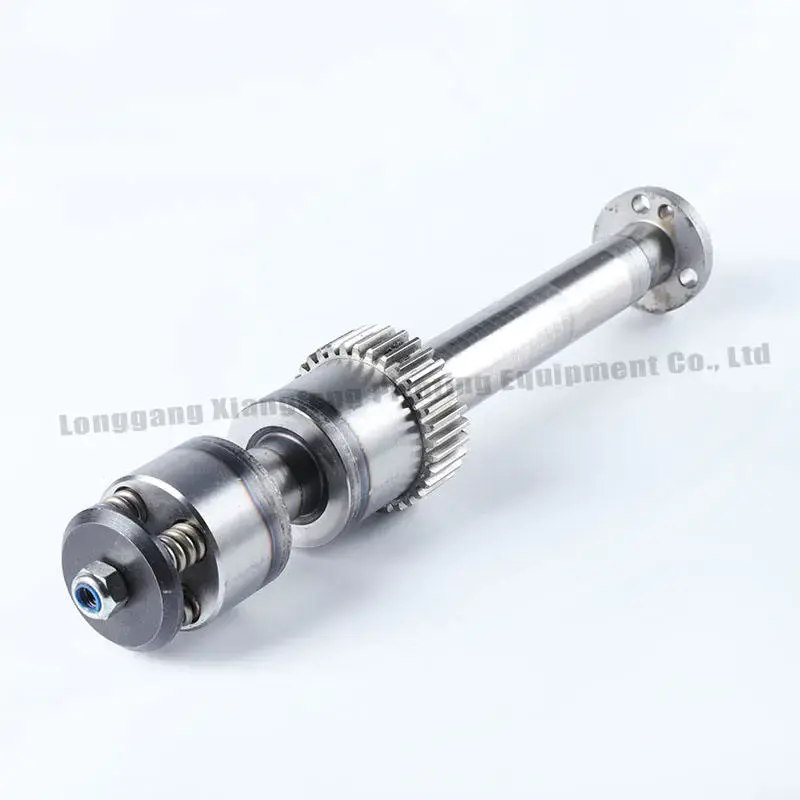
Call us
+86-19818583496
+86-0577-68586867

Our team is proud to offer on time guarantee and product guarantee to customer satisfaction.
Read MoreThe printing machine cylinder remains a central component in modern industrial printing, supporting consistent image transfer across a wide range of materials. From packaging and textiles to commercial publishing and product decoration, this cylindrical element plays a direct role in print accuracy, production stability, and operational efficiency. Recent discussions have highlighted three key areas: precision engineering, maintenance practices, and expanding application scenarios.
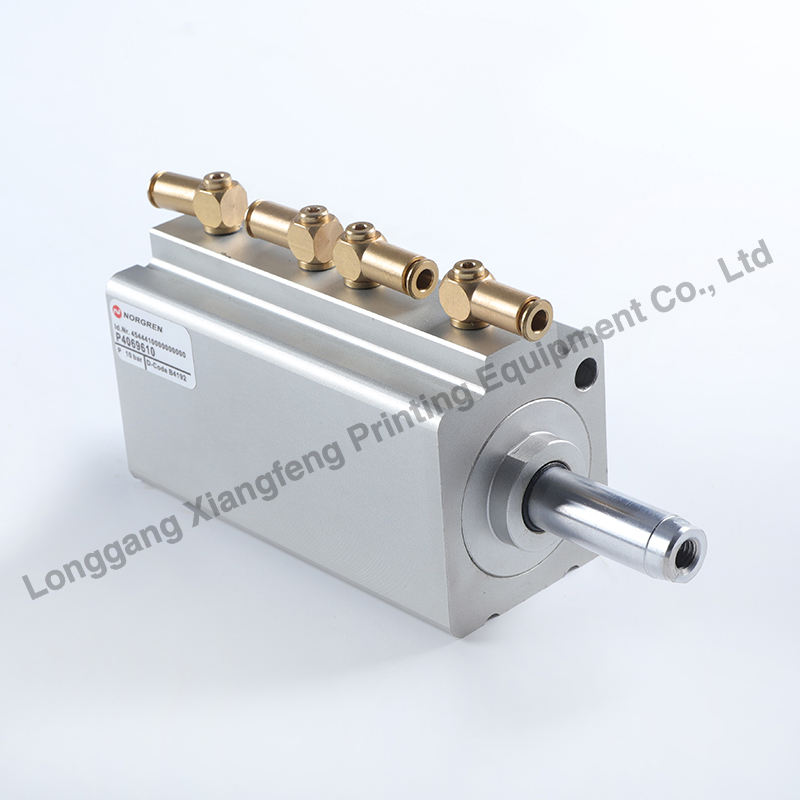
One major topic of attention is precision and surface engineering. Printing machine cylinders are designed to maintain uniform pressure and alignment during high-speed rotation. According to manufacturing data commonly cited in the printing equipment sector, even a deviation of 0.01 millimeters in cylinder roundness can affect ink distribution and lead to visible defects. As a result, manufacturers increasingly rely on CNC machining and controlled surface finishing to achieve consistent tolerances. Chrome plating, ceramic coatings, and laser engraving are often used to enhance wear resistance and improve ink transfer stability, particularly in long production runs.
Another widely discussed direction is maintenance and lifecycle management. Industry operators frequently note that unplanned downtime related to cylinder wear or imbalance can significantly affect output. Maintenance reports from commercial print shops indicate that regular inspection and regrinding of printing cylinders can extend service life by 20–30 percent compared to reactive replacement. Routine checks for surface scratches, pressure inconsistency, and bearing alignment are now considered standard practice. In addition, many facilities have adopted digital monitoring tools to track cylinder rotation cycles, helping teams schedule maintenance before quality issues appear.
A third area gaining attention is the broadening range of industrial applications. Beyond traditional offset and flexographic printing, printing machine cylinders are increasingly used in cylindrical surface printing for bottles, tubes, and metal containers. Related data shows that cylindrical packaging formats account for a notable share of beverage, cosmetic, and household product sales, driving demand for reliable cylinder-based printing systems. In textile production, rotary screen printing cylinders continue to support high-volume fabric printing, where consistent pattern repetition is essential. These applications demonstrate how the printing machine cylinder adapts to different substrates while maintaining a common mechanical principle.
From a market perspective, the global printing equipment sector remains stable, supported by packaging and labeling demand. Publicly available industry reports estimate that packaging-related printing represents over 40 percent of total commercial print output worldwide. Within this context, the printing machine cylinder remains a component that directly influences productivity and print quality, regardless of printing method.
As production requirements evolve, attention is shifting toward durability, repairability, and compatibility with automated systems. Rather than focusing on short-term changes, industry emphasizes practical performance: stable rotation, predictable maintenance, and adaptability across materials. These factors continue to shape how printing machine cylinders are designed, selected, and used in real-world production environments.
FAQ
What is the main function of a printing machine cylinder?
It transfers ink or pressure evenly during printing, ensuring consistent image quality on the substrate.
Which industries rely most on printing machine cylinders?
Packaging, textiles, commercial publishing, labeling, and product decoration are the most common users.
How often should a printing machine cylinder be maintained?
Maintenance schedules vary, but many facilities inspect cylinders after defined production cycles or monthly in continuous operations.
What materials are commonly used for printing cylinders?
Steel and aluminum alloys are common, often combined with chrome, ceramic, or engraved surface layers.
Can worn printing cylinders be reused?
In many cases, regrinding or surface treatment allows cylinders to be reused, reducing overall operating costs.

+86-19818583496
+86-0577-68586867


No.777 Haixi rode, Longgang City, Wenzhou City, Zhejiang, China
On weekdays, we will reply to you or call us within 12 hours of receiving the inquiry.
Copyright © Xiangfeng Printing Equipment Co., Ltd. All Rights Reserved.

Printing Machine Accessries Factory
Contact Us