

 Español
Call us
+86-19818583496
+86-0577-68586867

Our team is proud to offer on time guarantee and product guarantee to customer satisfaction.
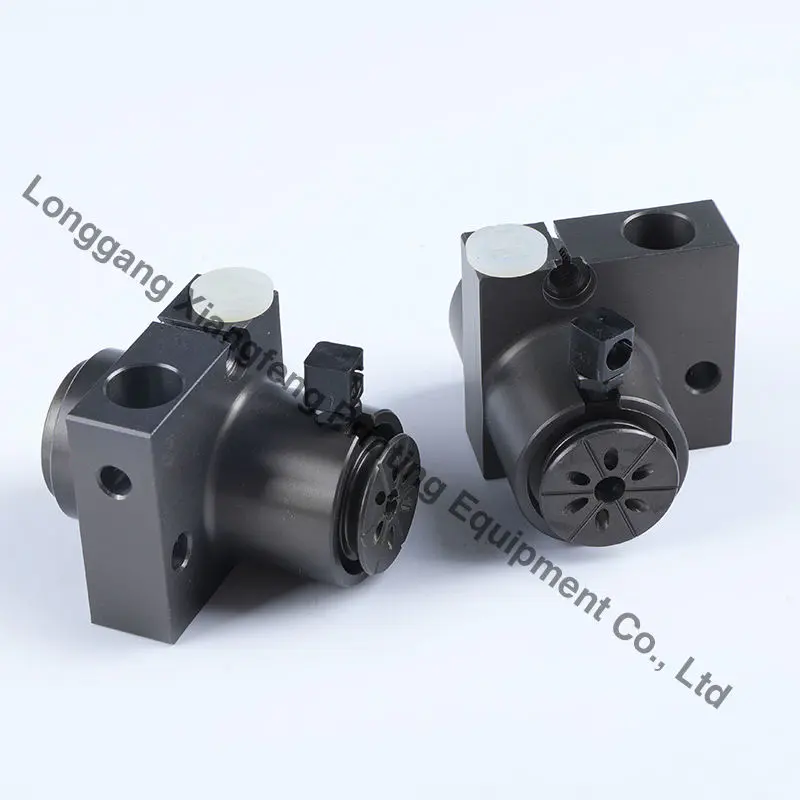
Read MorePrinting Machine Solenoid Valve components play a key role in regulating air, ink, and fluid flow within printing systems. These valves convert electrical signals into mechanical motion, allowing precise and repeatable control of pneumatic and fluid circuits. By ensuring coordinated operation across multiple machine stages, solenoid valves contribute to smooth production cycles and consistent print quality.
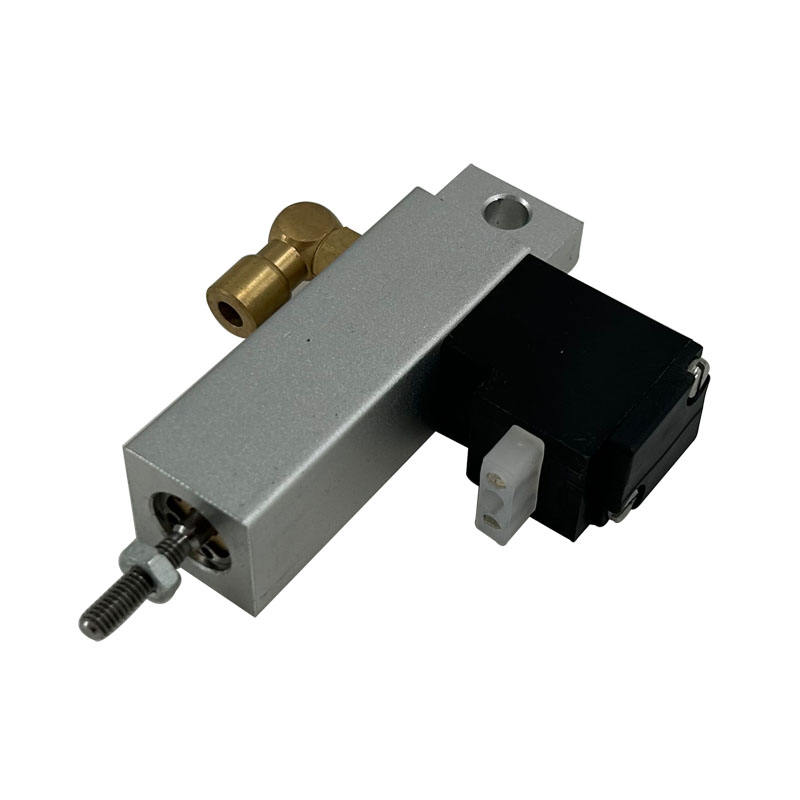
In modern industrial printing, solenoid valves are used to manage functions such as paper clamping, ink switching, cleaning sequences, and safety interlocks. Response speed is critical; many valves operate with response times ranging from 15 to 50 milliseconds. This capability supports synchronization with high-speed machine control signals, helping maintain alignment during rapid production. In a typical eight-hour production shift, a single solenoid valve may perform thousands of actuations, supporting continuous operation of feeders, rollers, and print heads. Reliable response is especially valuable when production patterns change or machines switch between different print formats.
Design considerations for printing solenoid valves include:
Material selection significantly influences durability. Valve bodies are often made of aluminum alloys or stainless steel, while internal seals are designed to resist ink, solvents, and compressed air contamination. Operating temperatures commonly range from 0°C to 60°C, suitable for most indoor printing environments. Materials support stable operation even during continuous cycles and repeated switching actions.
Maintenance practices focus on seal inspection, response testing, and contamination control. Clean air or fluid supply systems and appropriate filtration help preserve valve function. Production reports indicate that consistent solenoid operation supports even paper movement, stable ink delivery, and fewer adjustments during extended printing runs. This also allows operators to focus on quality monitoring rather than frequent corrective actions.
Integration with electronic control systems allows solenoid valves to respond precisely to programmed sequences. This coordination ensures that feeder, printing, and finishing stages operate in sync. In multi-color printing operations, precise valve actuation can improve consistency between successive print units and reduce minor deviations in registration.
In summary, Printing Machine Solenoid Valve systems enhance process control by enabling responsive flow management, repeatable actuation, and coordinated machine operation. Appropriate material selection, proper maintenance, and system integration support reliable performance during continuous production cycles, contributing to operational stability and steady print quality across various printing applications.
FAQs
What functions are managed by solenoid valves in printing machines?
They control air, ink, and fluid flow for clamping, switching, cleaning, and safety systems.
How quickly do solenoid valves respond in practice?
Typical response times range from 15 to 50 milliseconds.
Do solenoid valves need ongoing maintenance?
Routine inspection of seals and response behavior supports continued operation.
Can solenoid valves handle continuous high-cycle operation?
Valves designed for printing can manage repeated actuations over several thousand cycles per shift.
What materials are used for durable solenoid valves?
Valve bodies are usually aluminum or stainless steel, with chemical-resistant internal seals.
How does valve consistency affect printing performance?
Stable actuation ensures even paper handling and reliable ink flow.
Are solenoid valves compatible with electronic machine controls?
Yes, they can be integrated to respond precisely to programmed control sequences.
What environmental conditions do solenoid valves tolerate?
They operate effectively within 0°C to 60°C under standard printing conditions.

+86-19818583496
+86-0577-68586867


No.777 Haixi rode, Longgang City, Wenzhou City, Zhejiang, China
On weekdays, we will reply to you or call us within 12 hours of receiving the inquiry.
Copyright © Xiangfeng Printing Equipment Co., Ltd. All Rights Reserved.

Printing Machine Accessries Factory
Contact Us