

 Español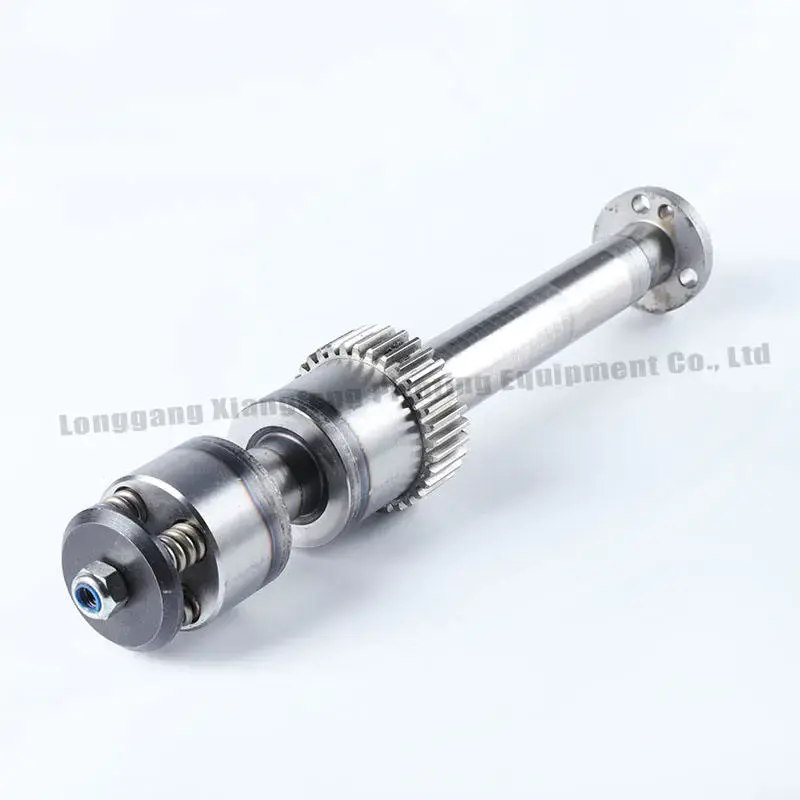

Call us
+86-19818583496
+86-0577-68586867

Our team is proud to offer on time guarantee and product guarantee to customer satisfaction.
Read MoreA printing line rarely stops because of a single dramatic failure.
More often, operators begin noticing small differences during routine production.
The paper continues moving.
Ink transfer remains normal.
The machine keeps running.
Yet experienced technicians may hear a different sound or notice a slight change in vibration long before product quality changes. During these routine observations, printing machine bearing becomes part of maintenance discussions instead of emergency repairs.
Another expression that frequently appears in workshop records is rotating assembly stability. It is usually mentioned when engineers compare several production shifts rather than one isolated inspection.
The Signs Are Rarely Visible
Many inspection rounds begin without opening the machine.
Operators listen first.
Running speed remains unchanged.
The drive system sounds familiar.
Then someone notices a small difference.
Not louder.
Not sharper.
Just different from yesterday.
Those observations often become the first maintenance note related to a printing machine bearing.
Continuous Rotation Leaves Small Clues
Printing equipment spends long periods operating at stable speed.
Hours pass without interruption.
During that time, technicians pay attention to changes that develop gradually instead of instantly.
The machine frame.
Drive shafts.
Supporting components.
Together they reveal whether rotating assembly stability remains consistent throughout production.
Maintenance Books Record Everyday Details
Workshop records are usually brief.
"Inspection completed."
"Operating normally."
"Slight vibration compared."
"No abnormal temperature."
Most entries contain only a few words.
After several weeks, those short records begin showing patterns around each printing machine bearing, even when no replacement has been scheduled.
Production Speed Is Not The Only Reference
High-speed printing attracts attention.
Steady operation matters just as much.
Some production orders continue for several hours.
Others require frequent stops while different materials are prepared.
Maintenance engineers compare both situations because operating rhythm influences how the machine behaves during continuous work.
A printing machine bearing is therefore evaluated across different production schedules instead of one standard operating condition.
Operators Compare Machines Instead Of Specifications
Large workshops often run several printing lines.
The machines may produce different products.
Their daily sound becomes familiar.
When one machine feels different, operators usually notice immediately.
The observation may not point toward a fault.
It simply becomes another item for the maintenance team to review while checking rotating assembly stability.
Cleaning Days Often Reveal More Information
Production pauses create another opportunity.
Dust is removed.
Protective covers are opened.
Lubrication points are inspected.
General cleaning continues.
These routine activities allow technicians to observe surrounding components without interrupting future production.
Inspection reports sometimes include additional notes about the printing machine bearing following these scheduled maintenance sessions.
Workshop Discussions Stay Practical
Maintenance meetings rarely begin with theory.
The conversation sounds simple.
"This machine feels smoother."
"The vibration changed after last week."
"Let's compare tomorrow."
Those remarks are usually written beside the inspection sheet rather than inside technical reports.
Over time they create a practical operating history connected with rotating assembly stability instead of isolated measurements.
Long Production Runs Tell The Larger Story
A short printing order reveals little.
Several consecutive shifts produce much richer information.
Operators continue recording sound.
Maintenance teams compare inspection dates.
Production managers review operating history.
Each record adds another reference for the same printing machine bearing. The notebook grows gradually, reflecting everyday workshop observations gathered during normal production rather than exceptional events.
Production Does Not Usually Stop Without Warning
Unexpected downtime often appears to happen suddenly.
In reality, experienced technicians know that many interruptions begin with small changes that develop over time.
A machine may continue operating while producing a different sound. Slight vibration may appear during higher production speeds. Operators may need to make more frequent adjustments than usual.
None of these signs necessarily stops production immediately.
However, they often indicate that one or more accessories printing machine components are no longer performing exactly as they did before.

+86-19818583496
+86-0577-68586867


No.777 Haixi rode, Longgang City, Wenzhou City, Zhejiang, China
On weekdays, we will reply to you or call us within 12 hours of receiving the inquiry.
Copyright © Xiangfeng Printing Equipment Co., Ltd. All Rights Reserved.

Printing Machine Accessries Factory
Contact Us