

 Español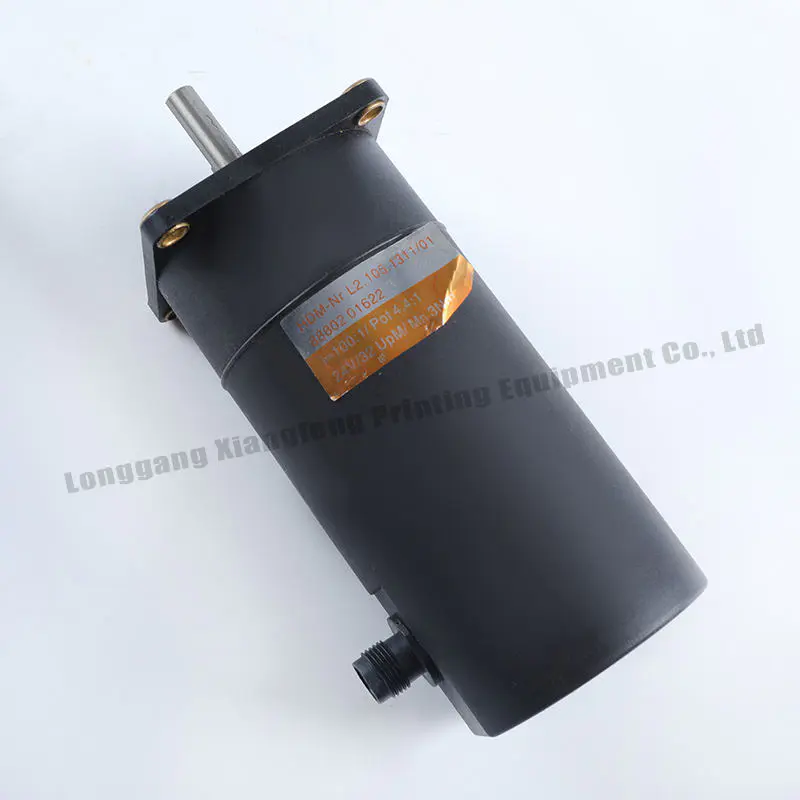
Call us
+86-19818583496
+86-0577-68586867

Our team is proud to offer on time guarantee and product guarantee to customer satisfaction.
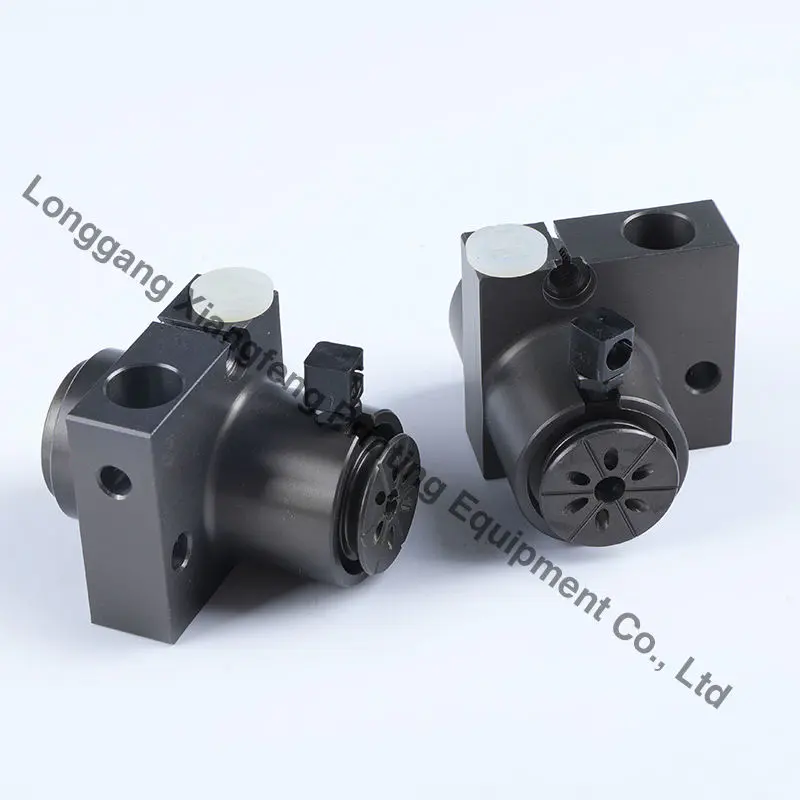
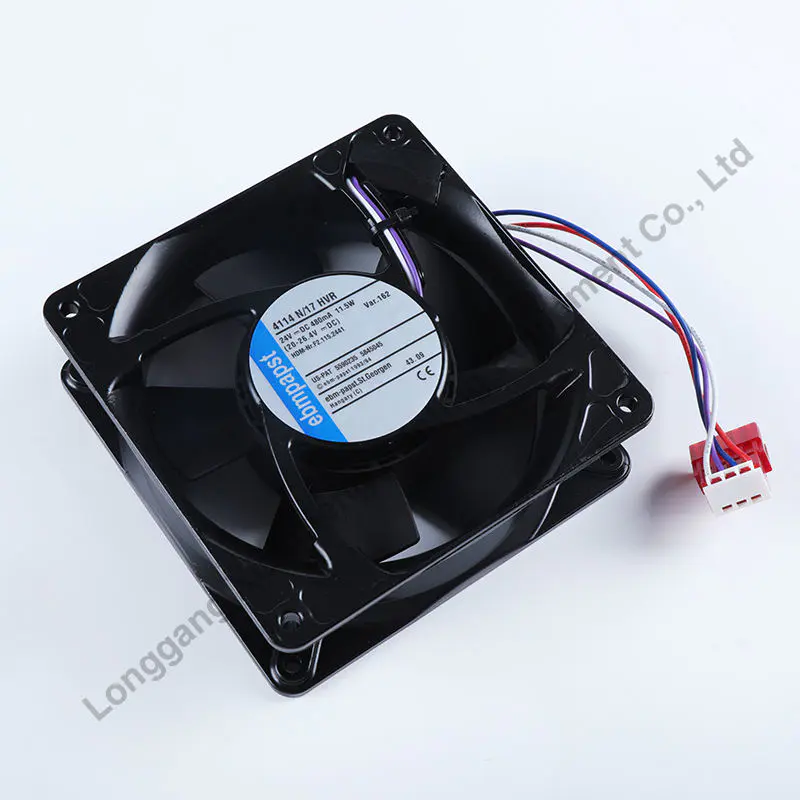
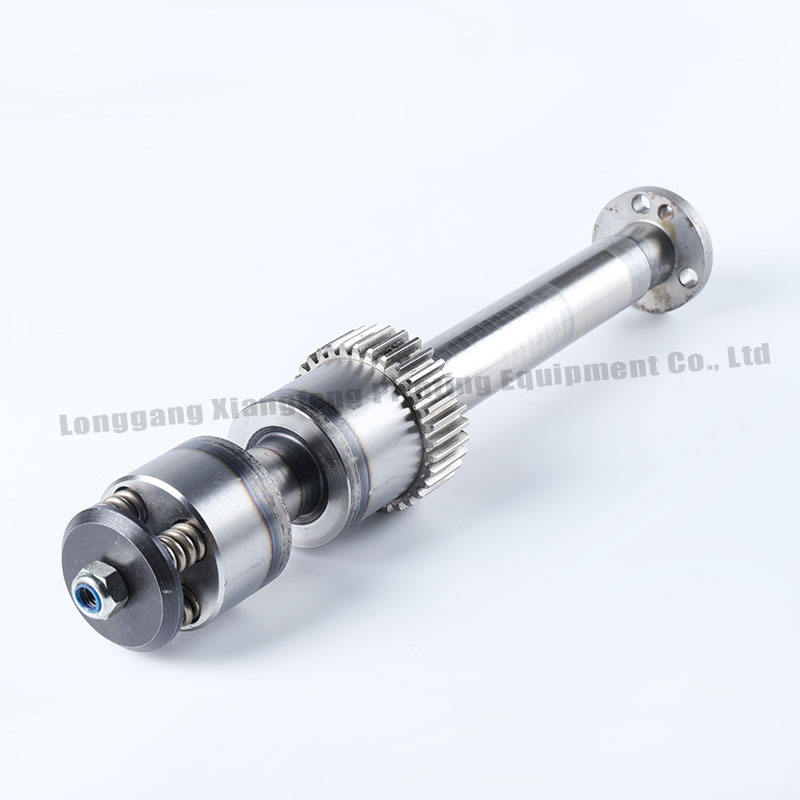
Read MoreA web offset printing machine spare parts set in one production line was replaced during a routine night shift inspection, not because it failed completely, but because the operator noticed that one section looked “different” from the rest.
That kind of description is vague, but in printing workshops, it is often enough to trigger a closer look.
The interesting part was that the machine had not shown any clear breakdown. Output quality was still acceptable. Speed was unchanged. But when the technician opened the unit, one group of web offset printing machine spare parts had a contact surface that looked noticeably more polished than the others.
Nothing was broken. Nothing was loose. It simply looked like it had been working under a slightly different condition.
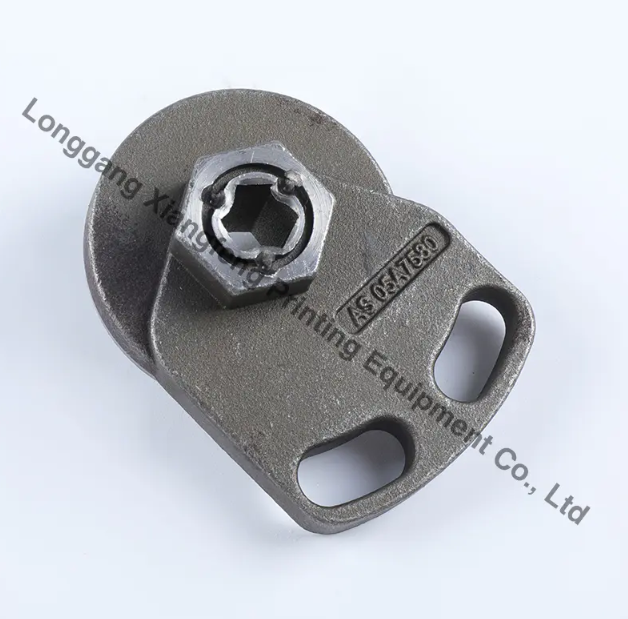
The machine does not treat every section equally
In real operation, a web offset printing machine spare parts system is always under uneven conditions, even when settings are correct. Paper tension is not perfectly stable, ink behavior shifts slightly during long runs, and rollers never carry exactly identical loads across the full width.
During inspection, technicians often don’t describe it in technical terms at first. They usually just say one side “feels more active” or “looks more used.” That kind of language sounds informal, but it often matches what is actually happening inside a web offset printing machine spare parts assembly.
Over time, these small differences accumulate quietly rather than appearing as a sudden failure.
Slight changes in running condition are easy to miss
There was a case where a web offset printing machine spare parts replacement cycle differed between two similar machines in the same workshop. Both were running similar jobs, similar shifts, similar materials. But one machine needed adjustments earlier than expected.
After checking, the maintenance team did not find a single clear fault. Instead, they noticed small differences in how pressure was distributed during long runs. Not enough to stop production, but enough to change how certain web offset printing machine spare parts contacted each other.
These kinds of differences are usually not recorded in operating logs. They only appear when parts are removed and placed side by side.
Wear is often a record of long operation, not damage
When technicians look at used web offset printing machine spare parts, they rarely focus only on “damage” or “failure points.” More often, they look at patterns.
A surface that is slightly more polished on one edge.
A contact area that develops earlier than expected.
A part that looks stable but behaves differently after disassembly.
These observations usually tell more than a simple pass/fail judgment.
In many cases, a web offset printing machine spare parts component is still functional even when replaced. The decision to replace it is based on long-term stability rather than immediate breakdown.
Small differences become visible only during inspection
Most operators do not notice anything unusual during production. That is normal. A web offset printing machine spare parts system is designed to run continuously, so small variations are absorbed by the process.
But during maintenance, when the machine is stopped, and parts are examined closely, those small differences become easier to see. That is usually the moment when technicians start comparing parts side by side instead of relying on machine behavior.
At that point, a web offset printing machine spare parts inspection is less about identifying a single problem and more about understanding how the machine has been running over time.
Even without failure, the parts already carry enough information to explain why replacement timing is not always the same across different machines.

+86-19818583496
+86-0577-68586867


No.777 Haixi rode, Longgang City, Wenzhou City, Zhejiang, China
On weekdays, we will reply to you or call us within 12 hours of receiving the inquiry.
Copyright © Xiangfeng Printing Equipment Co., Ltd. All Rights Reserved.

Printing Machine Accessries Factory
Contact Us