

 Español

Call us
+86-19818583496
+86-0577-68586867

Our team is proud to offer on time guarantee and product guarantee to customer satisfaction.
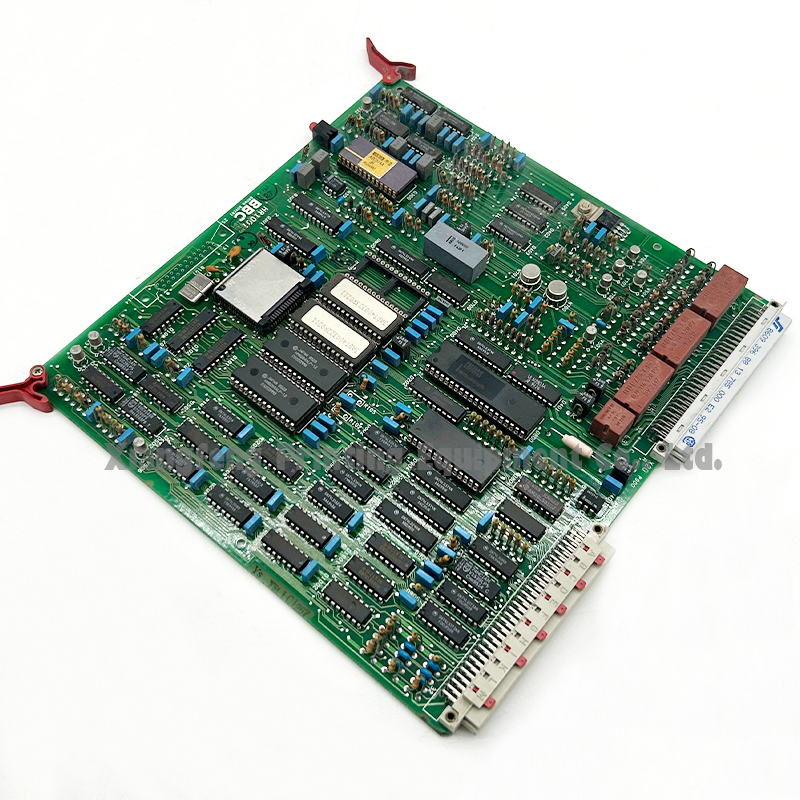
Read MoreA Printing Machine Circuit Board is rarely the suspect when a press stops, because the symptoms usually look mechanical: a sheet misfeeds, a unit will not engage, an alarm keeps coming back. Operators and technicians check rollers, grippers and valves, and often the cause sits in the electronics that tell those parts what to do. Understanding where the board sits in the machine makes that search shorter.
When a press misbehaves, the eye goes to moving parts. A feeder that drops sheets looks like a feeder problem, and a unit that will not engage looks like a valve or a cylinder problem. Sometimes it is exactly that. In other cases the part is healthy and the signal that should move it never arrives, or arrives at the wrong moment.
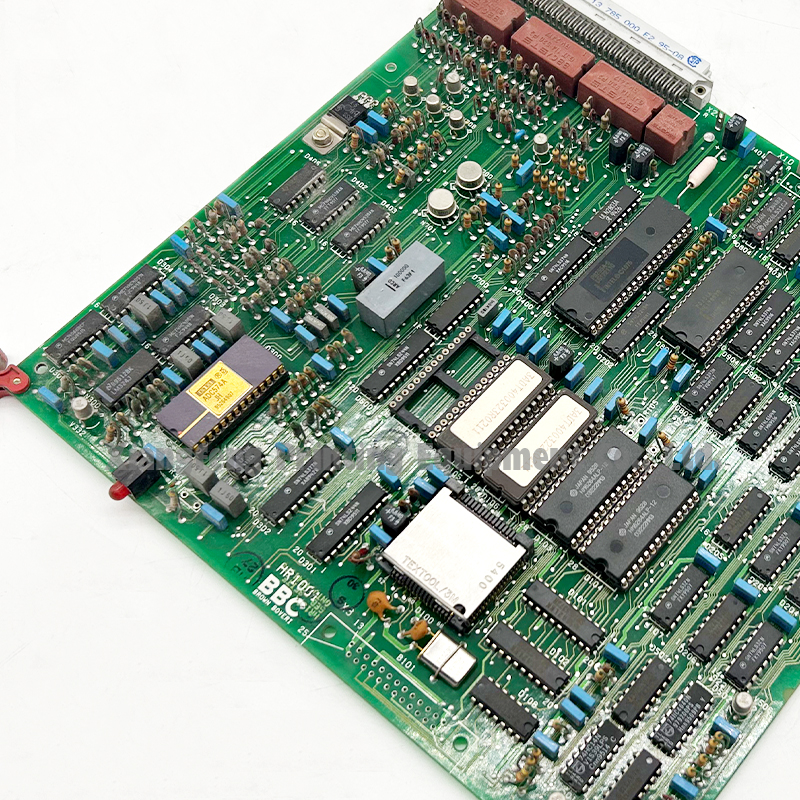
The circuit board works as the central hub that controls the machine's electrical components. If that hub misreads an input or fails to send a command, healthy parts look faulty. A technician who replaces a sensor, then a valve, and still sees the same alarm is often looking at a Printing Machine Circuit Board that has been quietly misbehaving all along.
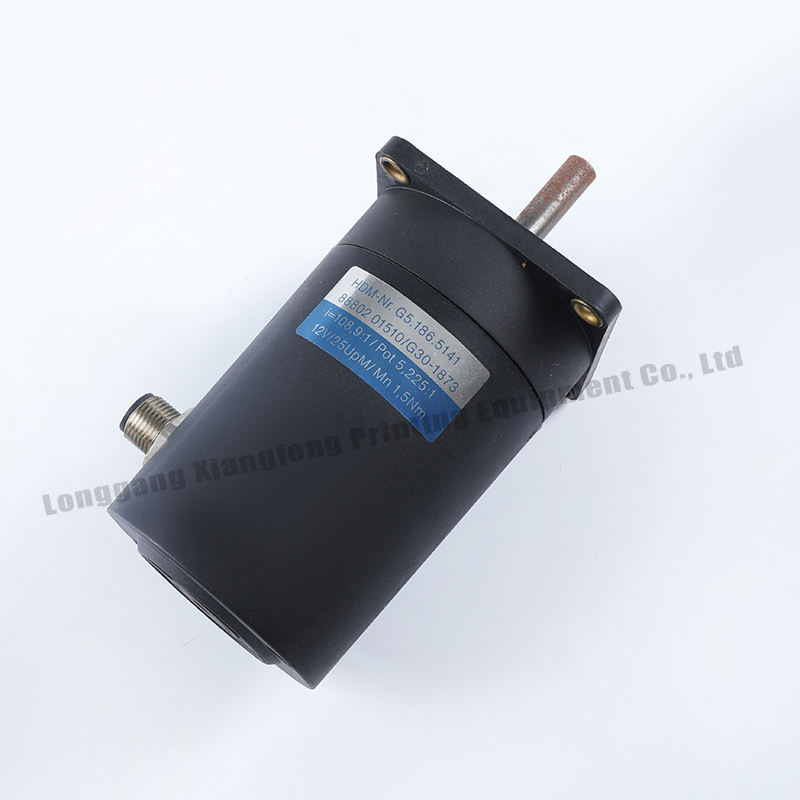
Four kinds of parts report to the board in a typical press:
|
Part |
What it does |
What the board does with it |
|
Sensor |
Detects a sheet or a position |
Reads the signal and checks the timing |
|
Encoder |
Reports rotation or position |
Uses the reading to keep units in step |
|
Solenoid valve |
Switches air flow on command |
Sends the command at the right moment |
|
Motor |
Drives movement |
Controls when it runs, when it stops and how fast |
Because the board links all of these, one weak board can make several healthy parts look unreliable. That is why a stubborn fault that moves from one unit to another deserves a look at the Printing Machine Circuit Board before more parts are changed.
A pressroom is not a clean laboratory. Paper dust, ink mist, heat and constant vibration reach the electronics inside the cabinets. Connectors loosen, solder joints crack, and components age. Cooling fans that slow down let temperatures rise, and heat shortens the life of any press circuit board.
Simple habits reduce the risk. Keep cabinet doors closed and filters clear, listen for fans that sound different, and check connectors during scheduled stops rather than during a breakdown. A Printing Machine Circuit Board that stays cool and dry can run for years without drawing any attention.
A Printing Machine Circuit Board differs between press brands, between models and sometimes between production years. Two boards that look alike can behave differently, so the part number printed on the board or its label is the safest way to order a replacement. Taking a photo of the board and its label before removing it saves time later, and it gives a supplier everything needed to confirm a match.
Fitting errors are expensive in electronics, because a wrong board can stop a press just as surely as a broken one. Careful buyers of circuit boards for printing machines compare the number on the old board with the number on the new one before anything is installed.
Buyers have three routes. An original new board costs more but comes without history. An original second-hand board costs less and can return a press to production quickly when a new unit has a long delivery time. Repair is a third route, useful when a board is no longer produced.
Each route works when the board is tested and the terms are clear. Buyers who ask whether a second-hand Printing Machine Circuit Board has been tested, and what happens if it does not work, avoid a frustrating kind of downtime: the kind that happens twice.
Presses that run long shifts cannot wait weeks for a replacement. Many workshops keep a short list of the boards their machines rely on, with part numbers written down and, where the budget allows, one spare on the shelf. The list costs nothing to make and turns a mystery into a phone call.
A Printing Machine Circuit Board is a small part of a large machine, but it connects every sensor, valve and motor around it. Knowing its part number before it fails is one of the cheapest forms of insurance a press operator can buy.

+86-19818583496
+86-0577-68586867


No.777 Haixi rode, Longgang City, Wenzhou City, Zhejiang, China
On weekdays, we will reply to you or call us within 12 hours of receiving the inquiry.
Copyright © Xiangfeng Printing Equipment Co., Ltd. All Rights Reserved.

Printing Machine Accessries Factory
Contact Us