

 Español
Call us
+86-19818583496
+86-0577-68586867

Our team is proud to offer on time guarantee and product guarantee to customer satisfaction.
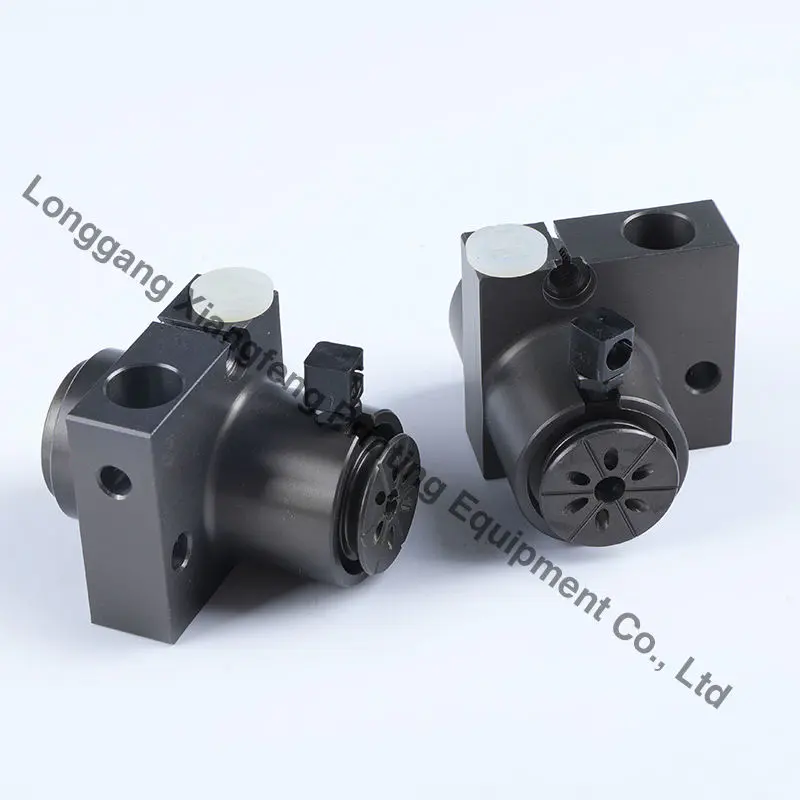
Read MoreThe dependable performance of a Printing Machine Solenoid Valve is increasingly recognized as a cornerstone for modern printing operations. In industrial printing machines, these solenoid valves govern critical functions — ink flow control, pneumatic and hydraulic actuation, air‑assisted drying, and paper‑feed systems — ensuring that each print job runs smoothly and precisely. As printing houses aim for high-quality output and minimal downtime, more attention is focused on valve reliability, maintenance, and correct application.
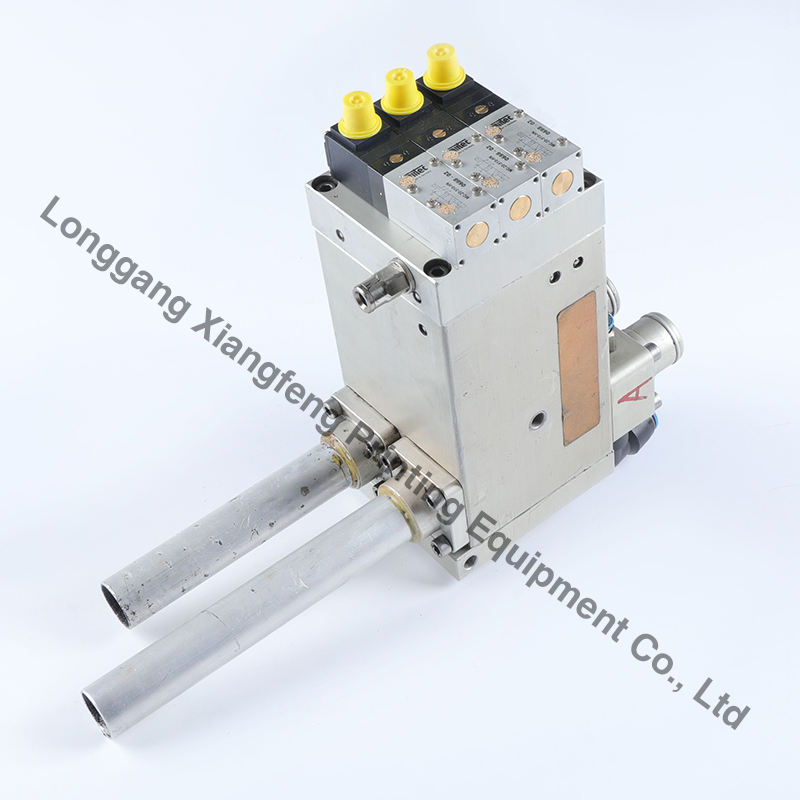
Why Solenoid Valves Matter in Printing
Solenoid valves in press systems are not optional extras; they are essential for:
When a valve performs reliably, the press can maintain stable ink flow, consistent pressure, and synchronized actuation — all crucial for color accuracy, registration, and paper handling.
Common Challenges with Solenoid Valves
Despite their importance, solenoid valves face several recurring issues in printing environments:
Maintenance and Best Practices for Longevity
To ensure solenoid valves perform reliably over long printing runs, many printing houses adopt structured maintenance protocols, including:
Several printing operations report that adopting such maintenance and spare‑parts strategies can reduce unplanned valve failures by 20–30%, and lower overall downtime across a production cycle.
Recommendations for Printing Buyers and Operators
For those sourcing or maintaining printing equipment:
Printing quality, operational uptime, and production efficiency all depend heavily on effective control components — and for many printers, the solenoid valve is one of the most important.
In summary, protecting your printing workflow means selecting, installing, and maintaining a top‑quality Printing Machine Solenoid Valve — with proper specification, environmental care, and maintenance strategy — to ensure consistent performance and reduce downtime.

+86-19818583496
+86-0577-68586867


No.777 Haixi rode, Longgang City, Wenzhou City, Zhejiang, China
On weekdays, we will reply to you or call us within 12 hours of receiving the inquiry.
Copyright © Xiangfeng Printing Equipment Co., Ltd. All Rights Reserved.

Printing Machine Accessries Factory
Contact Us