

 Español
Call us
+86-19818583496
+86-0577-68586867

Our team is proud to offer on time guarantee and product guarantee to customer satisfaction.
Read MoreIn modern printing systems, the printing machine sensor acts as a key link between mechanical movement and control logic. It monitors paper position, detects movement, and sends signals that keep the machine running in sync. When a printing machine sensor behaves abnormally, the entire workflow can become unstable, even if all other components appear to function normally.
A printing machine sensor is often described as the “eye” of the machine. It detects whether paper is present, whether components are in position, and whether motion is occurring as expected. Different types of printing machine sensor units are used depending on the application.
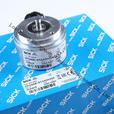
Photoelectric versions are widely applied in feeders and delivery sections. Inductive types detect metal parts such as rotating gears. Magnetic sensors track cylinder positions, while encoders convert rotation into electrical signals. Each printing machine sensor plays a specific role, but all contribute to stable machine control.
Because multiple printing machine sensor units work together, even a small deviation in one can create chain reactions across the system.
When a printing machine sensor gives inconsistent signals, it is easy to assume the component itself is faulty. However, this is often not the case.
Contamination is a common cause. Dust, ink mist, and powder can accumulate on the surface of a printing machine sensor, especially in photoelectric types. This blocks signal transmission and leads to irregular detection. Cleaning the printing machine sensor can often restore normal performance.
Installation also matters. If the mounting position of a printing machine sensor shifts slightly, the detection distance may change. A loose bracket or minor vibration can result in unstable signals. In many cases, simply adjusting the mounting of the printing machine sensor resolves the issue.
Another frequent situation occurs when a new printing machine sensor is installed, but the same fault continues. This usually indicates that the issue lies outside the sensor itself.
The detected object may not be reaching the correct position. For example, if paper feeding is inconsistent, a printing machine sensor may report errors even though it is working correctly. Similarly, mechanical transmission issues can prevent proper triggering.
Wiring problems are also common. Damaged cables, loose connectors, or oxidized terminals can interrupt signals from the printing machine sensor. In such cases, replacing the printing machine sensor will not solve the underlying problem.
Careful inspection of both the detection target and the signal path is necessary before concluding that the printing machine sensor is defective.
As production speed increases, the response capability of each printing machine sensor becomes more critical. Not all sensors are designed for high-frequency detection.
If a printing machine sensor cannot keep up with the speed of moving paper or rotating components, missed signals or false triggering may occur. This can bring about misjudgment by the control system.
Selecting a printing machine sensor with a suitable response time and detection frequency is essential for high-speed applications. Matching sensor performance with machine speed helps maintain stable operation.
Regular maintenance can significantly extend the service life of a printing machine sensor. Cleaning is one effective practice. Removing dust and residue helps maintain that the printing machine sensor continues to detect accurately.
Checking mounting stability is equally important. Ensuring that each printing machine sensor is securely fixed reduces the risk of signal fluctuation caused by vibration.
Cable inspection should not be overlooked. Since each printing machine sensor is connected through wiring that may move with machine parts, wear and damage can occur over time. Early detection of cable issues prevents unexpected downtime.
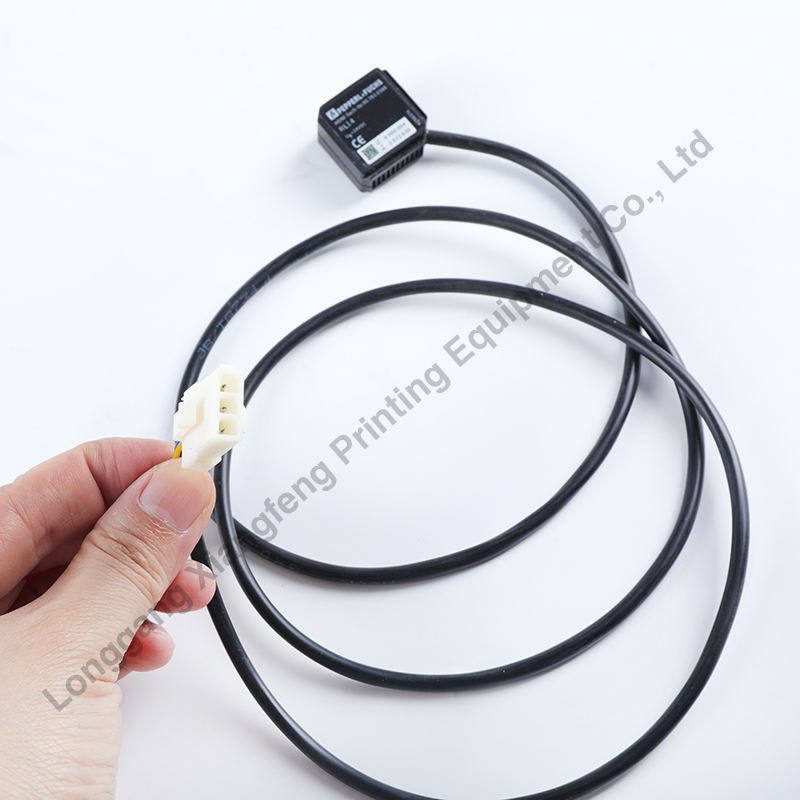
Not every malfunction requires replacing a printing machine sensor. In many situations, cleaning, repositioning, or repairing wiring can restore normal operation.
Replacement becomes necessary when the printing machine sensor has internal damage, aging components, or severe signal failure. At that point, performance cannot be recovered through adjustment alone.
The key is proper diagnosis. A printing machine sensor is often blamed for issues caused by installation, environment, or related components. Identifying the true cause helps maintain that maintenance actions are accurate and effective, helping the entire system return to stable operation.

+86-19818583496
+86-0577-68586867


No.777 Haixi rode, Longgang City, Wenzhou City, Zhejiang, China
On weekdays, we will reply to you or call us within 12 hours of receiving the inquiry.
Copyright © Xiangfeng Printing Equipment Co., Ltd. All Rights Reserved.

Printing Machine Accessries Factory
Contact Us