

 Español
Call us
+86-19818583496
+86-0577-68586867

Our team is proud to offer on time guarantee and product guarantee to customer satisfaction.
Read MoreIn daily operation, a printing machine solenoid valve plays a quiet but critical role. When it works properly, few people notice it. When it fails, however, the entire printing process can become unstable—paper feeding turns irregular, ink distribution becomes uneven, and production rhythm is disrupted. Understanding how a printing machine solenoid valve functions and why it fails can help reduce downtime and unnecessary replacement costs.
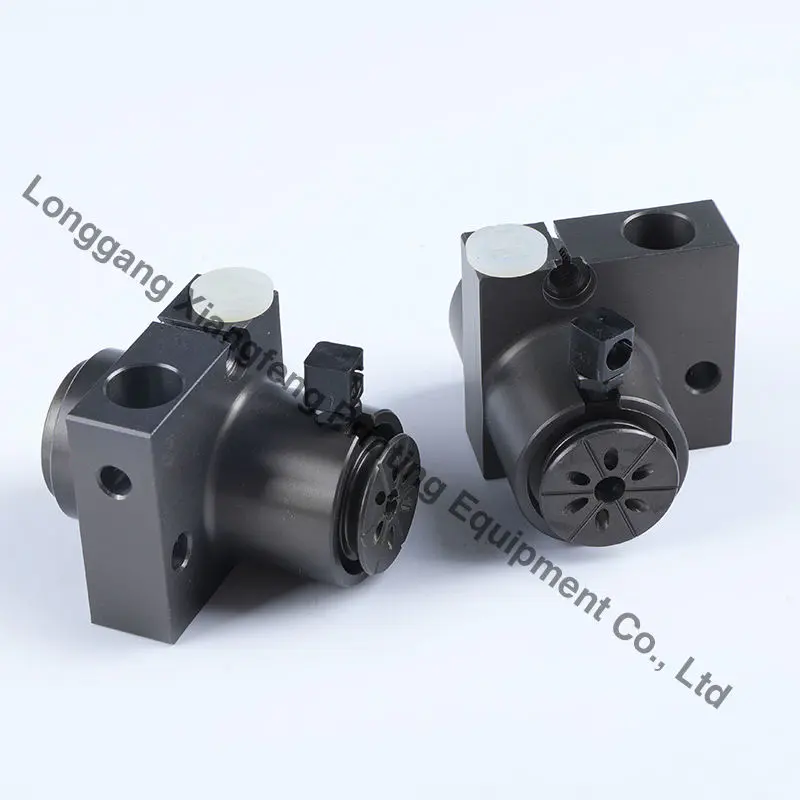
A printing machine solenoid valve is essentially an electrically controlled switch. When the coil is energized, it generates a magnetic field that moves the valve core, allowing or blocking the flow of air, oil, or liquid.
In printing equipment, each printing machine solenoid valve may control different functions. Some regulate air flow in the feeder for paper alignment. Others manage spray powder systems, ink flow, or dampening solutions. There are also printing machine solenoid valve units responsible for cylinder engagement and pressure control.
Because a single machine may rely on multiple printing machine solenoid valve components, even a small malfunction can contribute to varied symptoms. Misaligned sheets, weak impression force, or delayed ink transfer can all trace back to a faulty printing machine solenoid valve.
A common concern is when a printing machine solenoid valve shows no reaction at all. Many assume the coil is burned out. In reality, this is not always the case.
Power supply issues are often overlooked. Before replacing the printing machine solenoid valve, it is important to measure the input voltage. If the expected voltage is missing or unstable, the valve will not operate regardless of its condition.
If the voltage is normal, checking coil resistance helps determine whether the printing machine solenoid valve coil is damaged. However, another frequent cause is a stuck valve core. Even when energized, the printing machine solenoid valve cannot move if contaminants block internal movement. In such cases, cleaning is more effective than replacement.
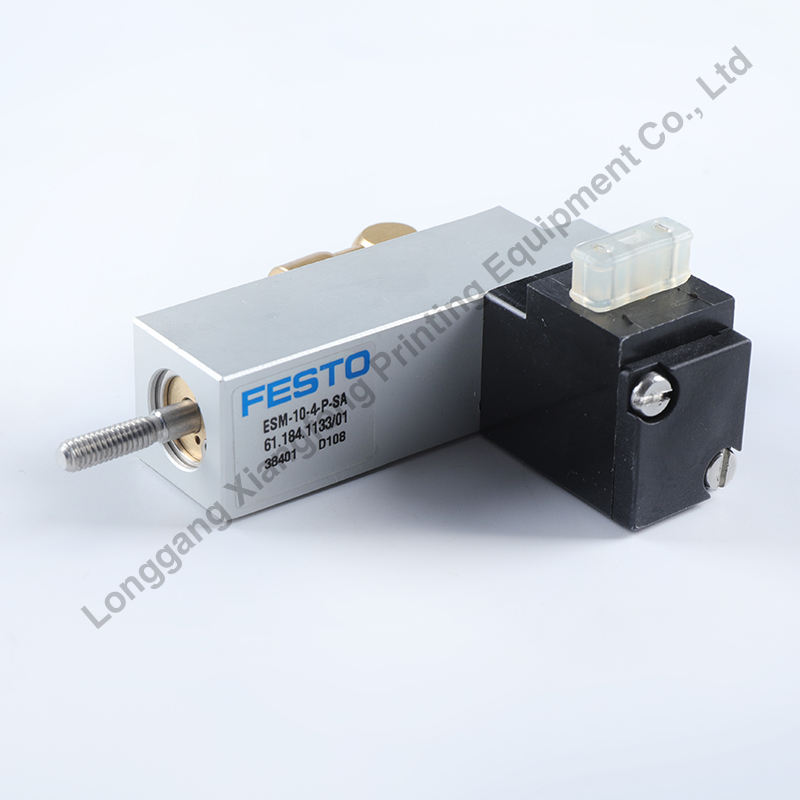
Another typical issue is a delayed or weak response from a printing machine solenoid valve. This often points to insufficient voltage. A slight drop below the rated level can reduce the magnetic force, making the printing machine solenoid valve sluggish.
Contamination is another factor. Printing environments contain dust, paper particles, and oil residues. These can accumulate inside the printing machine solenoid valve, increasing friction and slowing movement.
Mechanical wear also plays a role. Springs inside the printing machine solenoid valve may weaken over time. If the return force is insufficient, the valve may not reset properly, affecting the next operation cycle.
There are cases where a new printing machine solenoid valve is installed, yet the issue persists. This usually indicates that the root cause lies elsewhere.
Upstream control components, such as relays or transistor outputs, may fail to deliver sufficient current. Even if voltage is present, the printing machine solenoid valve may not receive enough power to actuate properly.
Control logic can also be responsible. Timing errors or incorrect signals may cause the printing machine solenoid valve to activate at the wrong moment—or not at all. In such situations, replacing multiple printing machine solenoid valve units will not solve the issue.
Keeping a printing machine solenoid valve in good condition does not require complex procedures, but consistency is important.
Clean air supply is essential. Compressed air should pass through proper drying and filtration systems. When contaminants are reduced, the internal parts of the printing machine solenoid valve remain cleaner and operate more smoothly.
A stable power supply also matters. Voltage fluctuations can affect every printing machine solenoid valve on the machine. Using regulated power helps maintain consistent performance.
Regular testing is another practical approach. Activating each printing machine solenoid valve manually through the machine interface allows operators to detect irregular sounds or delayed responses early.
Not every faulty printing machine solenoid valve needs replacement. If the coil is damaged or the valve body is worn, replacing the printing machine solenoid valve is usually more efficient.
However, if the issue is caused by internal contamination, cleaning can restore performance. Removing deposits and residues often brings the printing machine solenoid valve back to normal operation.
The key is accurate diagnosis. A printing machine solenoid valve is often blamed for issues that originate elsewhere. Careful inspection helps to maintain that maintenance efforts address the real cause rather than the symptom.

+86-19818583496
+86-0577-68586867


No.777 Haixi rode, Longgang City, Wenzhou City, Zhejiang, China
On weekdays, we will reply to you or call us within 12 hours of receiving the inquiry.
Copyright © Xiangfeng Printing Equipment Co., Ltd. All Rights Reserved.

Printing Machine Accessries Factory
Contact Us