

 Español
Call us
+86-19818583496
+86-0577-68586867

Our team is proud to offer on time guarantee and product guarantee to customer satisfaction.
Read MoreInside every offset press or packaging printer, the printing machine bearing handles one of the hardest jobs. It supports rotating rollers, stabilizes cylinder movement, and keeps high-speed components aligned during continuous production.
When a press runs at thousands of impressions per hour, even slight vibration can affect color registration or paper feeding. That is why many printing factories now pay closer attention to printing machine bearing quality instead of treating bearings as simple replacement parts.
A modern printing machine bearing needs to survive high speed, heat, paper dust, ink mist, and repeated cleaning cycles. In busy workshops running double shifts, poor bearing performance often appears earlier than expected. Operators may notice uneven pressure, abnormal sound, or increased roller temperature long before a complete failure happens.
Many downtime incidents start small. A worn printing machine bearing slowly increases shaft movement inside the press. At first, the issue may only create minor vibration. Weeks later, the same problem can damage rollers or create registration errors.
Several factors shorten bearing life: high operating speed over long cycles, paper dust entering the sealing area, ink solvent contamination, incorrect lubrication intervals, and excessive roller pressure during heavy jobs.
In packaging plants, machines often run 16 to 24 hours per day. Under these conditions, a low-grade printing machine bearing may fail much earlier than expected. Once lubrication breaks down, friction rises rapidly. A damaged bearing then generates extra heat, affecting nearby components and increasing energy consumption.
A failing printing machine rarely stops without warning. Many presses show early symptoms: grinding or rhythmic noise near roller sections, increased vibration during acceleration, uneven ink transfer or ghosting marks, higher bearing housing temperature, and grease leakage around seals.
Many technicians now use infrared thermometers during routine checks. If one printing machine bearing runs significantly hotter than surrounding units, replacement is usually recommended before production quality drops.
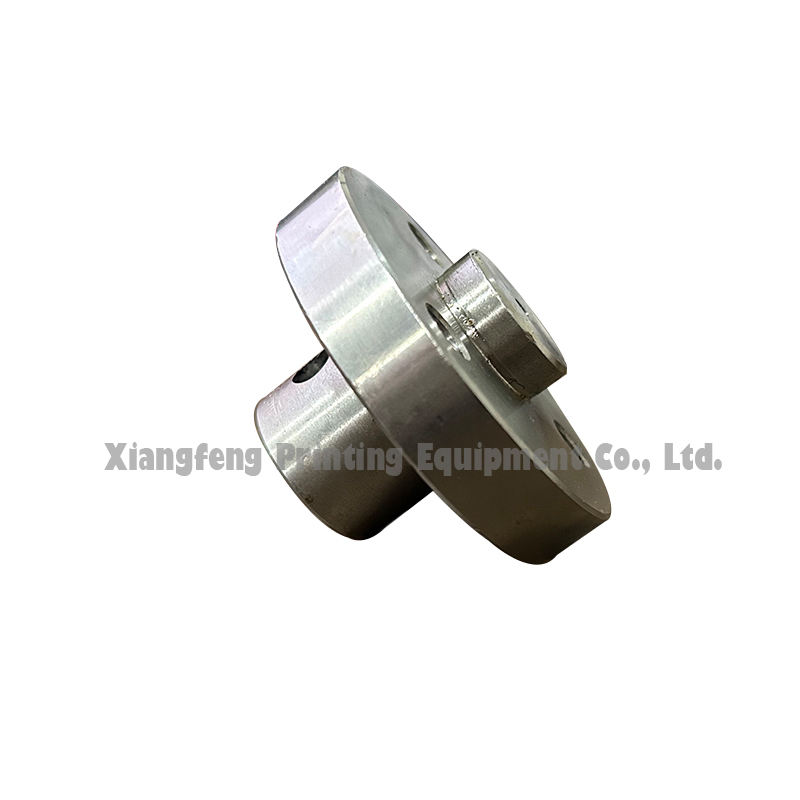
A folding carton manufacturer in Germany experienced repeated registration issues during large runs. Technicians found excessive wear inside several printing machine bearing units near the cylinder section. Replacing them reduced vibration and stabilized print alignment.
A label printing company in Canada faced fine adhesive dust from backing materials. Standard seals allowed contamination into the printing machine bearing, shortening lubrication life. After upgrading to bearings with stronger sealing, the replacement frequency dropped noticeably.
Even small print shops see benefits. One quick-print shop reduced maintenance interruptions after switching to a printing machine bearing a design for frequent startup and shutdown cycles.
Not every printing machine bearing works for industrial press conditions. Before ordering, verify bearing steel grade and heat treatment, seal design for dust and solvent protection, lubrication type for high-speed operation, precision tolerance rating, and compatibility with your press model.
For export-oriented factories, a stable supply of spare parts is equally important. Delayed replacements can interrupt production schedules.
Replacing a worn printing machine bearing early costs far less than waiting for complete failure. A typical bearing replacement may cost a few hundred dollars, including labor. But a seized bearing can damage rollers, shafts, or cylinder assemblies worth thousands. Additional losses include wasted paper, color inconsistency, delayed orders, and emergency downtime.
For printing businesses running around the clock, machine stoppage is often more expensive than the component itself.
A printing machine bearing may seem small compared with the rest of a press system, but its influence on printing stability is significant. Better sealing, stable lubrication, and accurate machining all contribute to smoother operation and longer equipment life.
Choosing the correct printing machine bearing helps maintain print quality, reduce maintenance frequency, and improve long-term production efficiency. In modern printing environments where delivery speed and consistent output matter, reliable bearings remain one of the simplest ways to keep presses running smoothly day after day.

+86-19818583496
+86-0577-68586867


No.777 Haixi rode, Longgang City, Wenzhou City, Zhejiang, China
On weekdays, we will reply to you or call us within 12 hours of receiving the inquiry.
Copyright © Xiangfeng Printing Equipment Co., Ltd. All Rights Reserved.

Printing Machine Accessries Factory
Contact Us