

 Español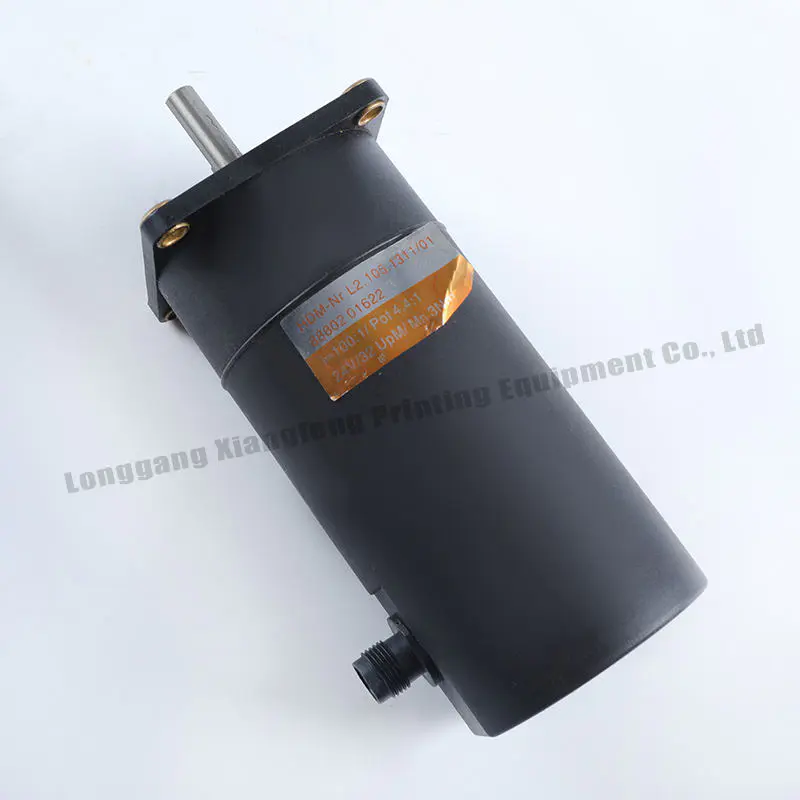
Call us
+86-19818583496
+86-0577-68586867

Our team is proud to offer on time guarantee and product guarantee to customer satisfaction.
Read MoreA modern offset press contains hundreds of mechanical and electrical components working together during continuous production. When one component begins to wear, the effect may extend beyond that individual part and eventually influence registration, feeding, roller movement, or machine availability. This is why Offset Printing Machine Spare Parts have an important role in routine maintenance, equipment repair, and the continued operation of established printing presses.
The demand for Offset Printing Machine Spare Parts is also connected with the long service life of printing equipment. Many commercial printing companies continue operating existing presses rather than replacing an entire machine whenever one component reaches the end of its usable cycle. Instead, maintenance teams identify worn components and replace them according to the machine's structure and operating condition.
Not every component inside an offset press faces the same operating conditions. Bearings may experience continuous rotational loads, gears transfer mechanical power between moving sections, springs can be subjected to repeated movement, while sensors and circuit boards are exposed to different electrical and environmental conditions.
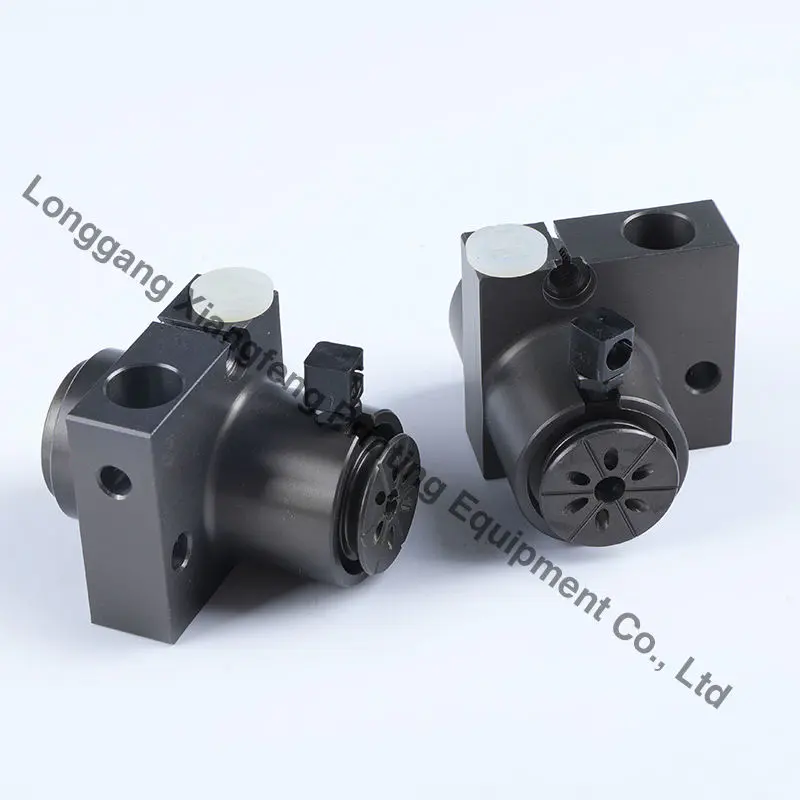
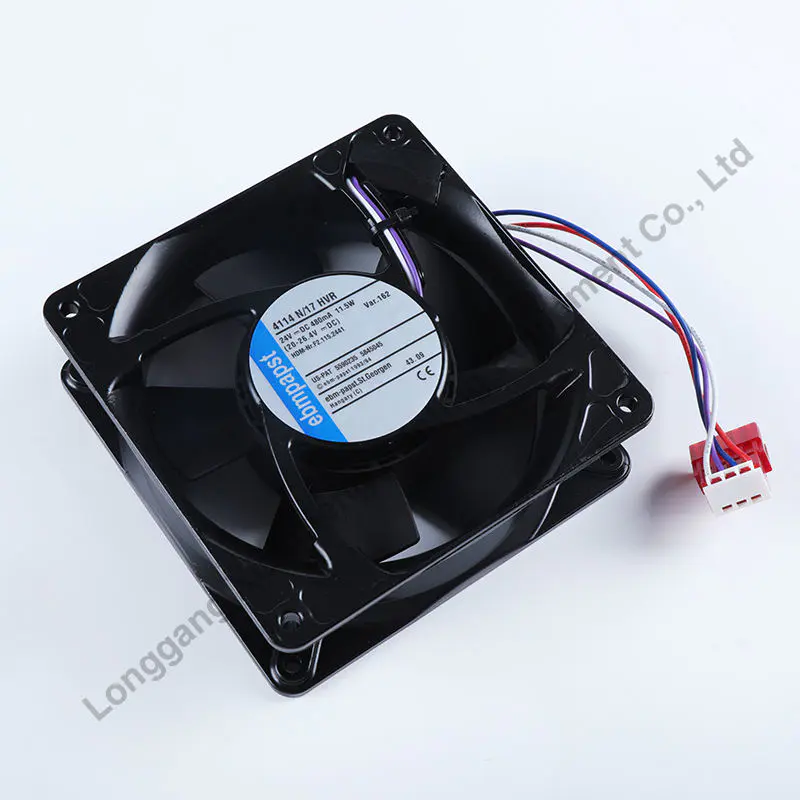
This makes Offset Printing Machine Spare Parts a broad category rather than a single type of replacement component. Printing equipment suppliers list categories including bearings, feeders, gears, springs, sensors, cylinders, circuit boards, solenoid valves, motors, and other accessories.
For maintenance teams, identifying the actual failed or worn component is therefore an important first step. Replacing a part simply because it belongs to the same general machine section may not address the original problem.
A replacement component has to correspond with the press model, component position, dimensions, and mechanical or electrical interface. This is particularly important for older equipment where several versions of a component may have been used during different production periods.
For Offset Printing Machine Spare Parts, model information and part numbers can help buyers narrow down compatible components before installation. The supplier's product range includes accessories associated with Heidelberg, Manroland, KBA, Ryobi, and other printing equipment categories, showing how replacement requirements can differ between machine platforms.
This type of compatibility check can also reduce unnecessary replacement work. A correctly identified component allows technicians to focus on the relevant part instead of dismantling unrelated assemblies.
Some mechanical components have a role that extends beyond their immediate location. A gear, for example, transfers movement between rotating elements, while a bearing supports rotation and controls friction between moving parts.
Because these components are interconnected, deterioration in one area can influence the operation of another. A worn gear may affect mechanical timing, while a damaged bearing can introduce unwanted movement or resistance.
This is one reason Offset Printing Machine Spare Parts need to be considered as part of a complete press maintenance strategy. The replacement itself may be relatively simple, but technicians often need to examine neighboring components to determine whether wear has developed elsewhere.
Not all press maintenance involves mechanical replacement. Modern offset equipment also contains circuit boards, sensors, encoders, motors, and solenoid valves that control or monitor machine functions.
These components require different inspection methods from gears or bearings. Electrical connections, signal output, component specifications, and compatibility with the machine's control system can all matter when selecting Offset Printing Machine Spare Parts.
The distinction is particularly important for older printing presses that may contain a combination of mechanical systems and electronic controls. A maintenance plan therefore needs to account for both types of components rather than treating every replacement as a mechanical repair.
For printing companies with frequently used presses, spare-parts management is closely connected with production planning. Components with predictable wear cycles may be monitored in advance, while less frequently replaced parts can be sourced when inspection indicates a problem.
Maintaining suitable Offset Printing Machine Spare Parts can shorten the gap between fault identification and repair, particularly when a press is dependent on a specific component that is not immediately available.
At the same time, stocking every possible component is not necessarily practical. Maintenance teams need to consider machine age, production frequency, historical failure patterns, and the availability of replacement parts when determining which items should be kept on hand.
The continued use of established offset presses means spare parts remain an important part of the printing industry's maintenance structure. Instead of viewing replacement components as isolated purchases, printing companies can treat them as part of a broader strategy involving inspection, wear monitoring, compatibility checks, and planned maintenance.
For B2B buyers,Offset Printing Machine Spare Parts therefore involve more than finding a component with a similar appearance. Machine model, part number, dimensions, material, mechanical function, electrical characteristics, and installation position can all influence whether a replacement is appropriate.
As printing equipment continues to operate through long production cycles, systematic spare-parts management can help maintenance teams respond to component wear while keeping the relationship between individual parts and the complete press in view.

+86-19818583496
+86-0577-68586867


No.777 Haixi rode, Longgang City, Wenzhou City, Zhejiang, China
On weekdays, we will reply to you or call us within 12 hours of receiving the inquiry.
Copyright © Xiangfeng Printing Equipment Co., Ltd. All Rights Reserved.

Printing Machine Accessries Factory
Contact Us