

 Español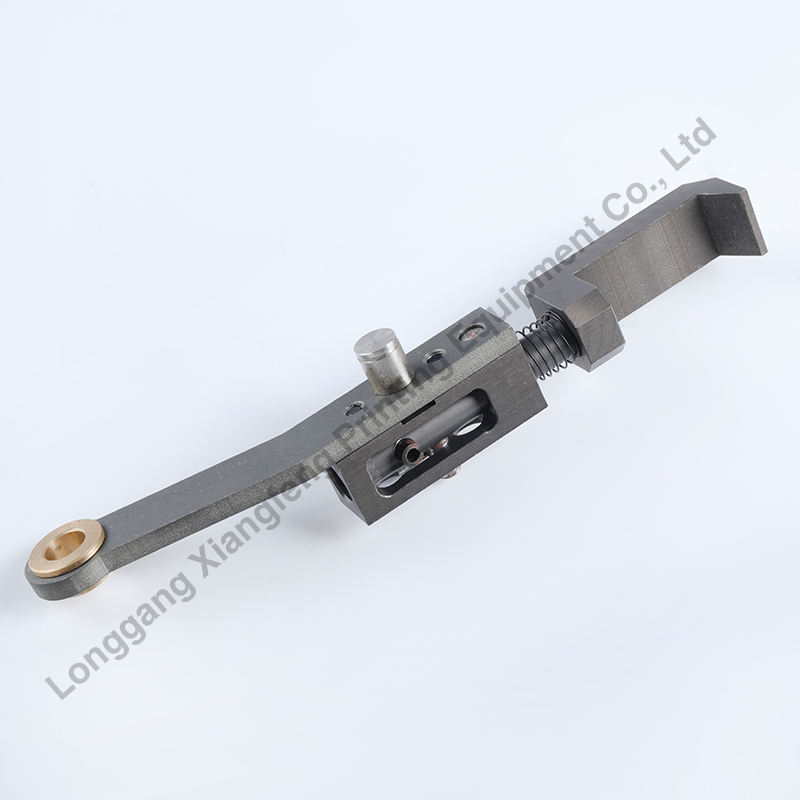
Call us
+86-19818583496
+86-0577-68586867

Our team is proud to offer on time guarantee and product guarantee to customer satisfaction.
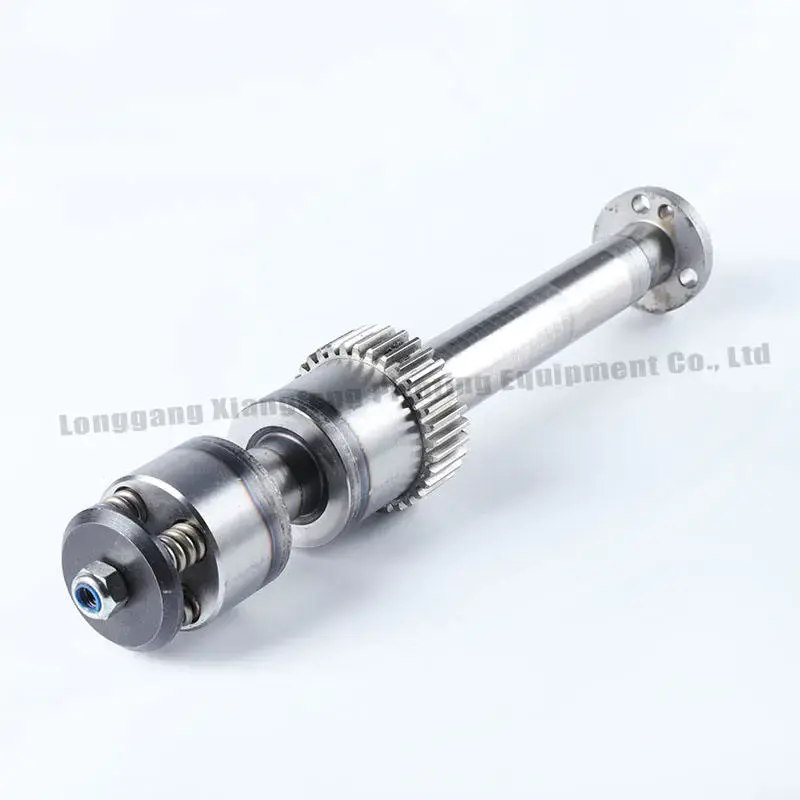
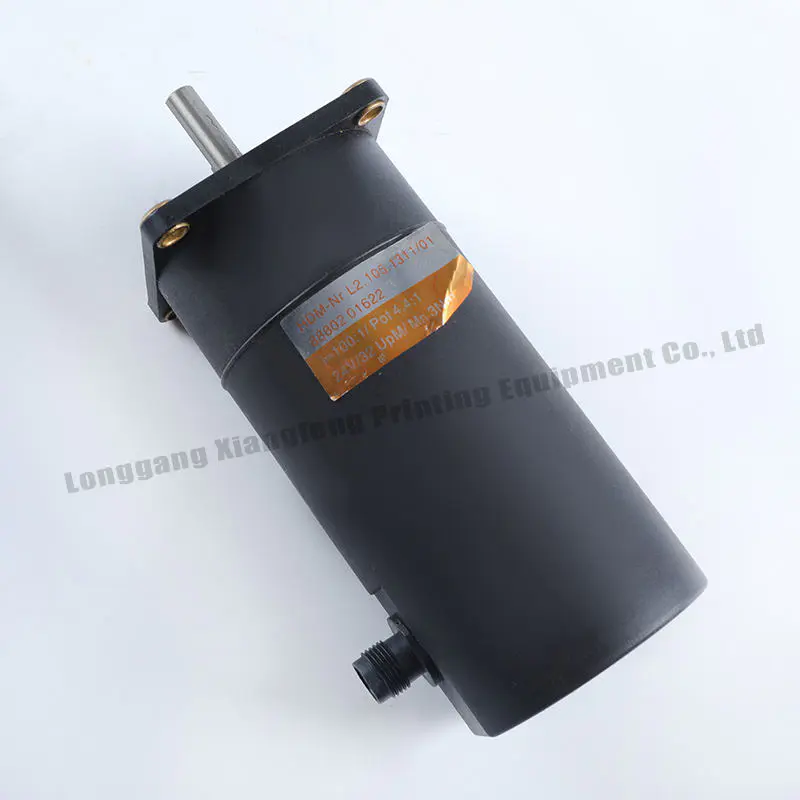
Read MoreAccessories printing machine components are becoming a larger part of maintenance discussions as printing companies work to reduce unexpected production interruptions. While major equipment failures receive immediate attention, maintenance records often show that shorter but more frequent stoppages are linked to much smaller mechanical parts.
For many production managers, the question is no longer simply why a machine stopped. They are increasingly asking which component gave the first warning before the interruption occurred.
Small Parts Keep Large Systems Moving
Printing equipment relies on hundreds of moving components working together.
Power is transferred through gears, bearings, shafts, couplings, guide mechanisms, and other precision assemblies.
When one small component begins wearing beyond normal operating conditions, the surrounding parts may continue working for some time. Eventually, however, the effect becomes noticeable throughout the machine.
For this reason, maintenance engineers frequently inspect accessories printing machine components during routine servicing rather than waiting for a complete failure.
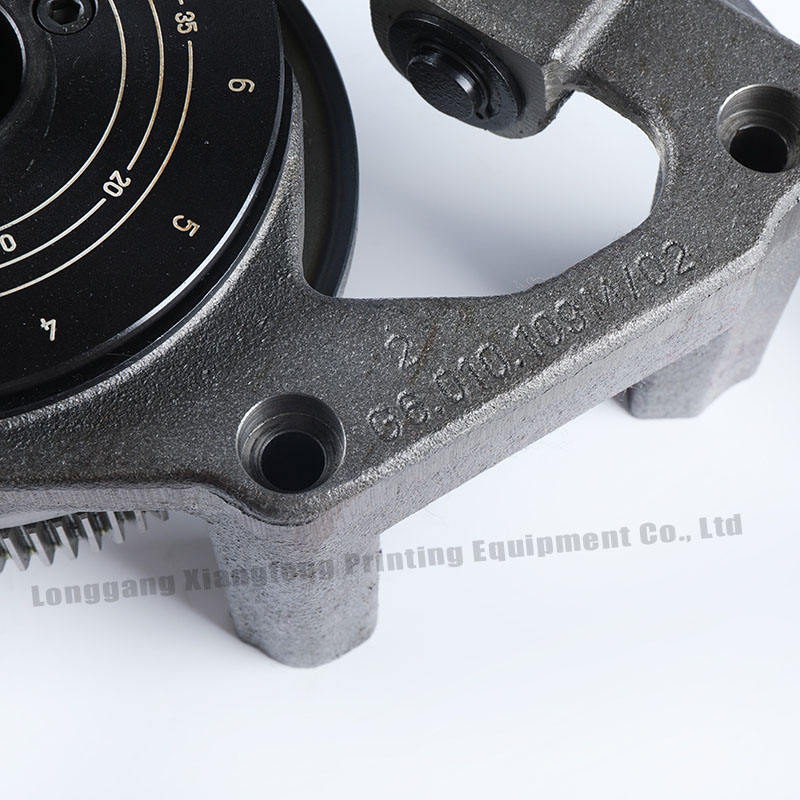
Replacing a small part during scheduled maintenance is often much easier than repairing a larger assembly after production stops.
Repeated Adjustments Can Be An Early Signal
Operators sometimes notice that a machine requires more corrections than it did several weeks earlier.
Registration is adjusted more often.
Roller pressure needs additional attention.
Alignment checks become part of almost every production change.
Although these adjustments may seem unrelated, maintenance teams often view them differently.
Increasing adjustment frequency can suggest that accessories printing machine components are gradually changing through normal wear instead of maintaining their original operating condition.
The machine is still running.
It is simply asking for more attention than before.
Planned Maintenance Creates More Predictable Production
Many printing companies are gradually moving away from a repair-only approach.
Instead of waiting until equipment stops, maintenance schedules now include regular inspection of frequently used mechanical components.
The objective is not to replace every part unnecessarily.
It is to understand which accessories printing machine components experience the greatest workload under normal production conditions.
Inspection records collected over several months often reveal patterns that would never become visible after a single repair.
Experienced Technicians Notice Behaviour Changes
One interesting difference between experienced and inexperienced maintenance staff is what they observe first.
Veteran engineers rarely begin by searching for broken parts.
Instead, they watch how the machine behaves.
Does the machine accelerate as smoothly as before?
Has vibration increased during longer production runs?
Is one adjustment required much more frequently than last month?
Answers to these questions often guide technicians toward the accessories printing machine components that deserve closer examination before production is interrupted.
Many problems become easier to solve when discovered early.
Downtime Management Is Becoming More Predictive
Printing facilities today are under increasing pressure to deliver consistent production schedules.
As a result, maintenance strategies are changing.
Rather than measuring success only by how quickly repairs are completed, many manufacturers now focus on preventing interruptions before they occur. Regular observation, inspection records, and attention to accessories printing machine components are becoming important parts of that process.
The goal is not to eliminate every mechanical issue—normal wear is unavoidable. Instead, the objective is to recognise developing changes early enough that maintenance can be planned without disrupting production.
For many printing companies, reducing downtime no longer depends only on large equipment upgrades. Increasingly, it begins with understanding how the smallest components influence the reliability of the entire printing system.

+86-19818583496
+86-0577-68586867


No.777 Haixi rode, Longgang City, Wenzhou City, Zhejiang, China
On weekdays, we will reply to you or call us within 12 hours of receiving the inquiry.
Copyright © Xiangfeng Printing Equipment Co., Ltd. All Rights Reserved.

Printing Machine Accessries Factory
Contact Us