

 Español
Call us
+86-19818583496
+86-0577-68586867

Our team is proud to offer on time guarantee and product guarantee to customer satisfaction.
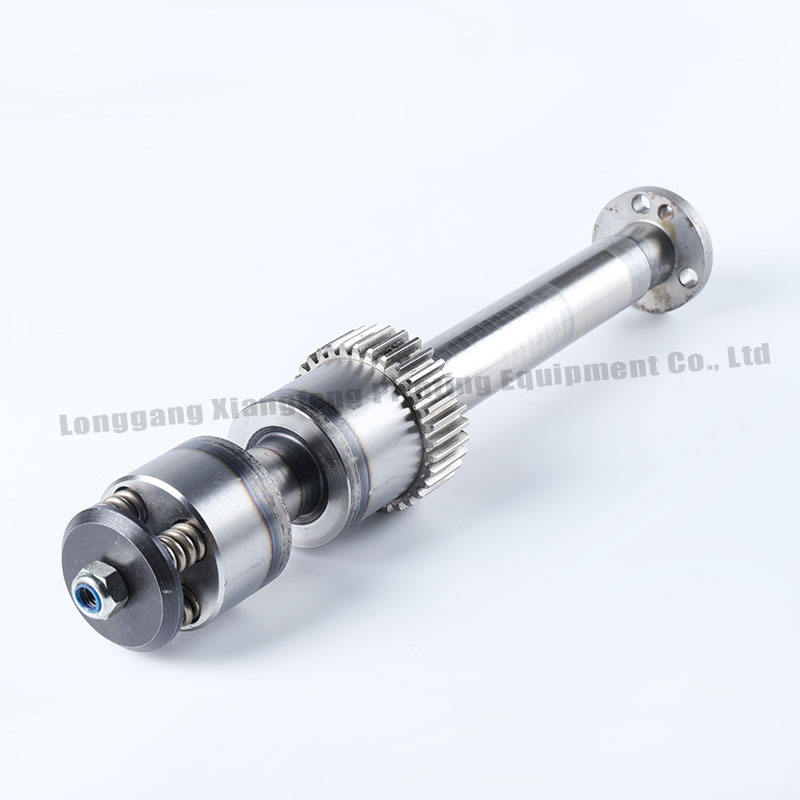
Read MoreThe precision and reliability of a Printing Machine Gear remain critical for modern printing operations as manufacturers push for higher throughput and tighter quality standards. Gears inside printing machines are not simple mechanical parts — they transmit torque, synchronize motion, and ensure accurate sheet feeding and color registration.
Firstly, gear geometry and tolerance have a significant impact on press performance. In high‑speed offset or flexographic presses, even tiny deviations in gear module, tooth profile, number of teeth, or backlash can introduce misalignment or vibration. When gears do not mesh smoothly, that can disrupt roller and cylinder synchronization. As a result, print registration drifts or web‑tracking errors may occur. In some severe cases, operators observe “gear marks” — visible bands or stripes in print output, caused by uneven gear engagement and intermittent oscillation. Studies show that gears with a backlash variation above 0.05 mm can increase misregistration frequency by 12–15%.
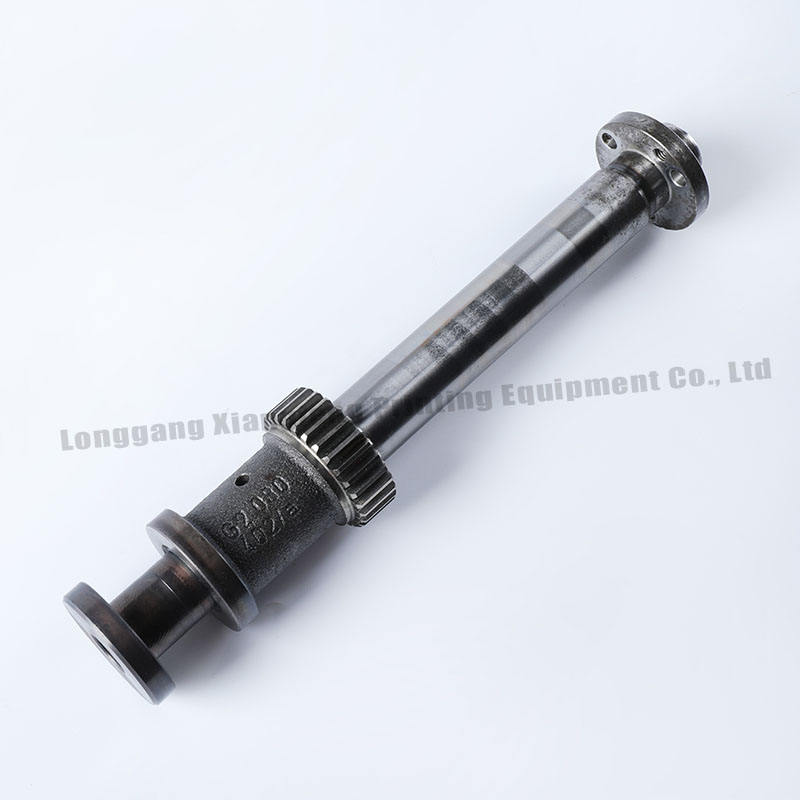
Second, materials and durability continue to dominate purchasing decisions for printing companies. High‑strength alloy or heat-treated steel gears built to withstand abrasion, stress, and long operational hours are increasingly preferred, especially in heavy-duty industrial printing environments. Users find that while plastic gears may suffice for small or light-duty printers, they often wear out quickly under industrial loads. Upgrading to premium metal gears improves longevity and reduces downtime. Some manufacturers provide gears rated for over 10,000 operational hours with minimal wear, ensuring consistent production across months of continuous operation.
Third, preventive maintenance of gears is essential for stable production. Key recommended actions include:
Failure to maintain gears properly often leads to unexpected breakdowns — sometimes mid-run — causing costly delays. For instance, gear tooth wear beyond 0.1 mm can increase misfeed or doubling errors by over 20%.
Beyond maintenance, upgrading or retrofitting older presses has emerged as a viable alternative to full replacement. Many printing houses choose to replace only the drive gears — often upgrading to higher-precision parts with tighter tolerances — as a cost-effective way to improve print quality and extend equipment lifespan. Some benefits include:
However, even with ideal gears, printing challenges remain. Forums and operator discussions report persistent problems such as paper feed issues, doubling, or skewing when pulling sheets on the gear side guide. In those cases, the root cause sometimes turns out not only to be gear wear but also misaligned feeders, incorrect gripper settings, or worn guide components. This underlines how gear quality, mechanical setup, and press maintenance must all work together to deliver consistent results.
For printing companies seeking stable production, dependable output, and minimal downtime, choosing the right gear — and maintaining it properly — has proven to be a foundational step. As demand grows for sharper print, faster run-rates, and flexible production schedules, well-designed and maintained printing machine gears remain a quiet but essential backbone of modern print operations.
In conclusion, ensuring high-quality printing output and smooth operation relies heavily on a properly selected and maintained Printing Machine Gear, with careful attention to tolerance, material, and preventive maintenance practices.

+86-19818583496
+86-0577-68586867


No.777 Haixi rode, Longgang City, Wenzhou City, Zhejiang, China
On weekdays, we will reply to you or call us within 12 hours of receiving the inquiry.
Copyright © Xiangfeng Printing Equipment Co., Ltd. All Rights Reserved.

Printing Machine Accessries Factory
Contact Us